U.S. Attack on Venezuela Sends Shockwaves Through Global Markets: Gold and Silver Rise, Oil Turns Volatile, Stocks Slip
Geopolitical escalation drives investors toward safe havens while energy markets price in risk premium
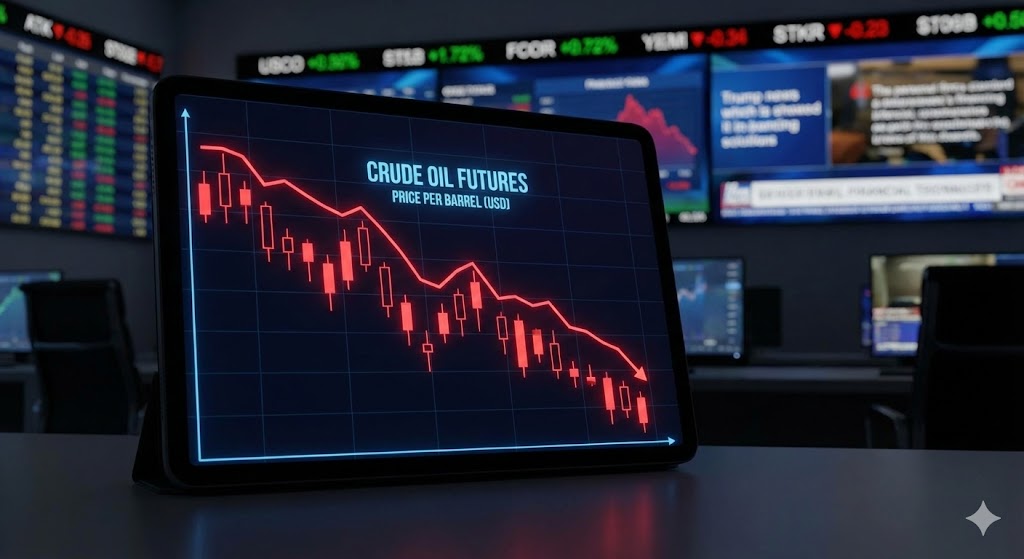
Global Markets React as U.S.–Venezuela Conflict Escalates
Global financial markets turned volatile after reports confirmed a U.S. military strike on Venezuela, raising fears of broader geopolitical instability and potential disruptions to energy supplies.
The development immediately triggered a risk-off reaction across asset classes, with investors moving money into safe-haven assets such as gold and silver, while equities weakened and crude oil prices turned volatile.
Analysts say the event adds a new geopolitical risk premium into already fragile global markets at a time when inflation remains sticky and central banks are cautiously navigating interest-rate cuts.
Gold and Silver Rally on Safe-Haven Demand
Precious metals surged following the news as investors sought protection from geopolitical uncertainty.
Market experts note that gold and silver traditionally benefit during wars, conflicts, and geopolitical crises because they act as stores of value when confidence in financial systems weakens.
Reports indicate that silver could move toward the $78 per ounce level, while gold continues to strengthen as global investors hedge against risk and currency volatility.
Why metals are rising
- Geopolitical shocks increase fear and uncertainty.
- Investors reduce exposure to equities and move into hard assets.
- Central bank rate-cut expectations also support precious metals by lowering the opportunity cost of holding them.
Market impact:
- Gold: Rising steadily as a crisis hedge.
- Silver: Rising faster due to both safe-haven demand and strong industrial usage.
Crude Oil Turns Volatile as Risk Premium Builds
Crude oil prices reacted with sharp intraday swings as traders priced in geopolitical risk, although analysts caution that Venezuela’s actual oil supply impact may be limited in the near term.
Venezuela’s oil exports were already constrained by sanctions and infrastructure issues, meaning the conflict adds a risk premium rather than causing an immediate supply shock.
Analysts say oil prices may rise on headlines but could stabilize if exports continue without disruption.
What’s driving oil markets
- Fear of escalation in Latin America.
- Potential for U.S. sanctions or retaliatory actions.
- Sensitivity of energy markets to any geopolitical conflict near oil-producing regions.
Net effect:
- Oil prices likely remain volatile, reacting strongly to further developments or diplomatic signals.
Stock Markets Slide as Investors Shift to Safety
Equity markets across the world weakened as investors reduced exposure to risk assets.
Geopolitical shocks typically cause:
- Selling pressure in stocks
- Rising volatility (VIX increases)
- Capital rotation into bonds and precious metals
Sectors such as energy and defense may outperform in this environment, while technology and growth stocks often face selling pressure as investors move toward safer or more defensive positions.
Currency and Bond Markets Also Affected
Beyond stocks and commodities, the geopolitical escalation is also influencing global currency and bond markets, as investors seek safety and reduce exposure to riskier assets.
Currencies
In periods of geopolitical conflict and heightened uncertainty, investors typically move toward safe-haven currencies, which are considered more stable and liquid.
- The U.S. dollar (USD) tends to strengthen as global investors seek liquidity and safety in the world’s reserve currency.
- The Japanese yen (JPY) often rises because Japan holds large foreign assets, and investors repatriate funds during global stress.
- The Swiss franc (CHF) gains due to Switzerland’s political neutrality, strong financial system, and low inflation.
At the same time, emerging market currencies usually weaken as investors pull capital out of higher-risk regions and move funds into safer developed markets. Countries that rely heavily on foreign investment or commodity imports are particularly vulnerable to currency pressure during such periods.
Bonds
Government bonds, especially those issued by highly stable governments, typically benefit from increased demand during crises.
- U.S. Treasuries attract strong inflows because they are considered one of the safest and most liquid assets in the world.
- As demand for government bonds rises, their prices increase — and because bond prices and yields move inversely, bond yields fall.
Lower yields reflect the market’s preference for safety over return, even if that means accepting lower interest income. This shift often signals rising risk aversion and expectations of slower economic growth.
Summary of Market Impact
| Asset Class | Direction | Reason |
|---|---|---|
| Gold | ↑ Rising | Safe-haven demand |
| Silver | ↑ Strong rise | Hedge + industrial demand |
| Crude Oil | Volatile / Slightly ↑ | Geopolitical risk premium |
| Stocks | ↓ Weak | Risk-off sentiment |
| USD, JPY | ↑ Stronger | Flight to safety |
What This Means for Investors
The U.S.–Venezuela conflict reinforces the idea that geopolitics is now a core market driver, not a side factor.
Investors should prepare for:
- Higher volatility
- Sudden price swings based on political headlines
- Increased importance of diversification into commodities and defensive assets
If tensions escalate further, precious metals could continue rising, oil could break higher, and equity markets could remain under pressure. If the situation stabilizes diplomatically, markets may gradually normalize — but the risk premium is likely to stay elevated in the near term.
Bottom Line
The U.S. attack on Venezuela has introduced fresh uncertainty into global markets, strengthening gold and silver, making oil volatile, and pushing investors away from stocks.
Markets are not only reacting to economic data anymore — they are now reacting to geopolitics in real time. Until clarity emerges, volatility and defensive positioning are likely to dominate global financial trends.
Disclaimer: This article is for informational purposes only and does not constitute investment advice.