China Warns Against Foreign Intervention in Venezuela Amid Speculation
Markets React to Rising U.S.–China Tensions Over Venezuela
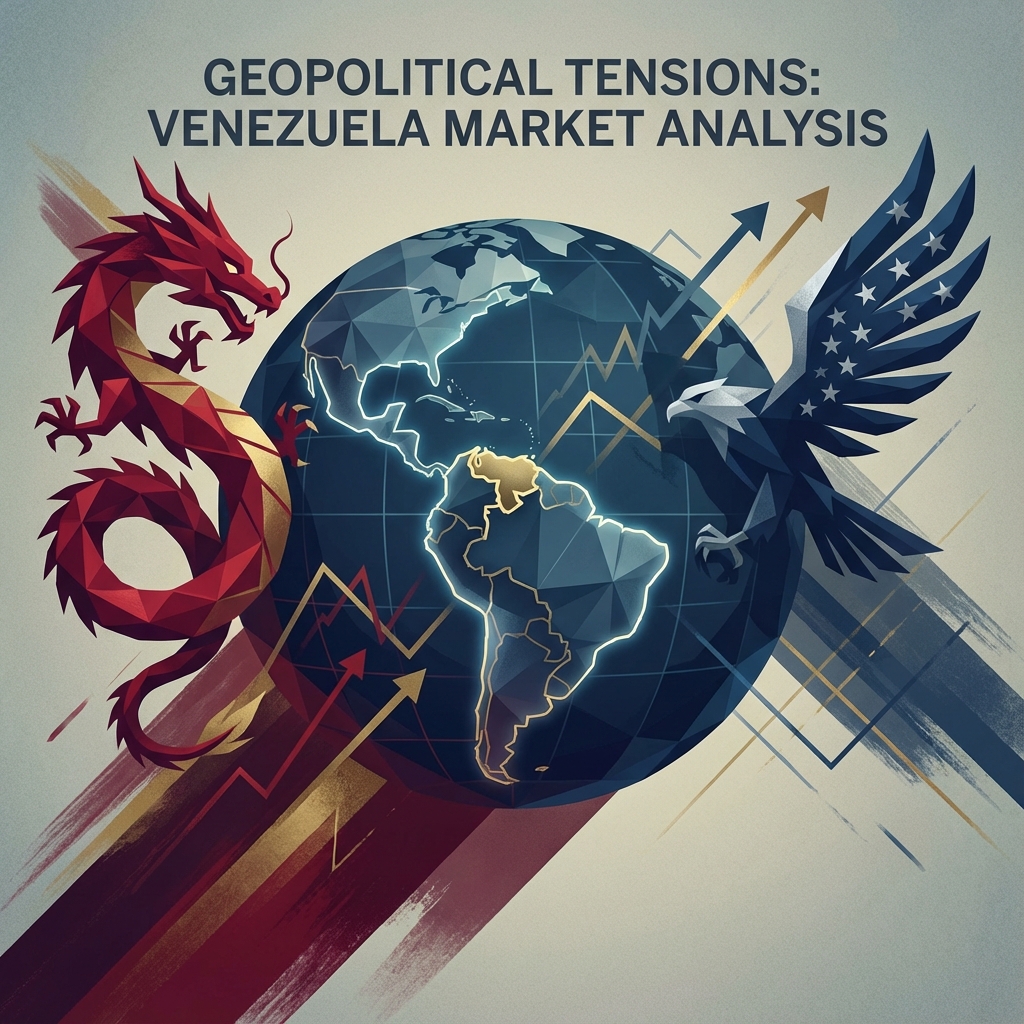
China has issued a strong pre-emptive condemnation regarding potential foreign intervention in Venezuela, warning that no country has the right to act as the “world judge” or interfere in the internal affairs of a sovereign nation. The statement from Beijing comes amidst growing speculation and unverified reports concerning potential U.S. operations in the region.
The Chinese Foreign Ministry emphasized that any unilateral action violating international norms would threaten global stability, potentially turning a regional political crisis into a broader geopolitical confrontation between major powers. Beijing’s sharp rebuke highlights the fragility of current U.S.-China relations as oil prices and global markets react to the rising geopolitical risk.
U.S.–China Tensions Rise as Superpower Rivalry Deepens
The warnings from China transform the ongoing Venezuela discourse into a new front in the growing rivalry between the United States and China. Beijing has significant economic and strategic interests in Venezuela, including long-standing energy investments and infrastructure projects.
Any potential forced regime change or significant intervention is viewed by Beijing as a direct challenge to its global influence. Analysts warn that this escalation could worsen U.S.–China relations, complicate diplomatic cooperation, and potentially trigger retaliation in trade, technology, or international institutions.
Markets React: Oil, Gold and Stocks Turn Volatile
While facts on the ground remain fluid, global financial markets are reacting forcefully to the heightened geopolitical uncertainty. The mere speculation of intervention has triggered a "risk-off" sentiment across asset classes.
Oil Prices
Venezuela holds the world’s largest proven oil reserves. Any shift in its political control or energy policy could reshape global supply. As a result, oil markets have become volatile as traders price in geopolitical risk and uncertainty over future production, fearing disruptions in an already tight market.
Gold and Silver
Gold and silver prices have seen upward pressure as investors move into safe-haven assets. This flight to quality reflects fears of broader conflict and global instability, with precious metals serving as a hedge against unpredictable diplomatic outcomes.
Global Stock Markets
Equity markets have shown weakness as risk appetite declines. Investors are rotating away from growth assets toward defensive positions, wary of how a new geopolitical flashpoint could impact global trade and inflation.
Why This Matters for Global Investors
This situation is no longer limited to regional politics. It now affects:
- Global energy supply and inflation expectations
- U.S.–China diplomatic and economic relations
- International legal norms
- Financial market volatility and capital flows
For investors, this means geopolitical risk has become a central factor influencing oil prices, currency markets, and global equities. The warning that no country should act as the “world judge” reflects a broader challenge to U.S. leadership in global affairs, signaling a more fragmented, multipolar world where geopolitical events increasingly drive market behavior.